Hurricane Season Plumbing Prep: A South Florida Homeowner’s Checklist
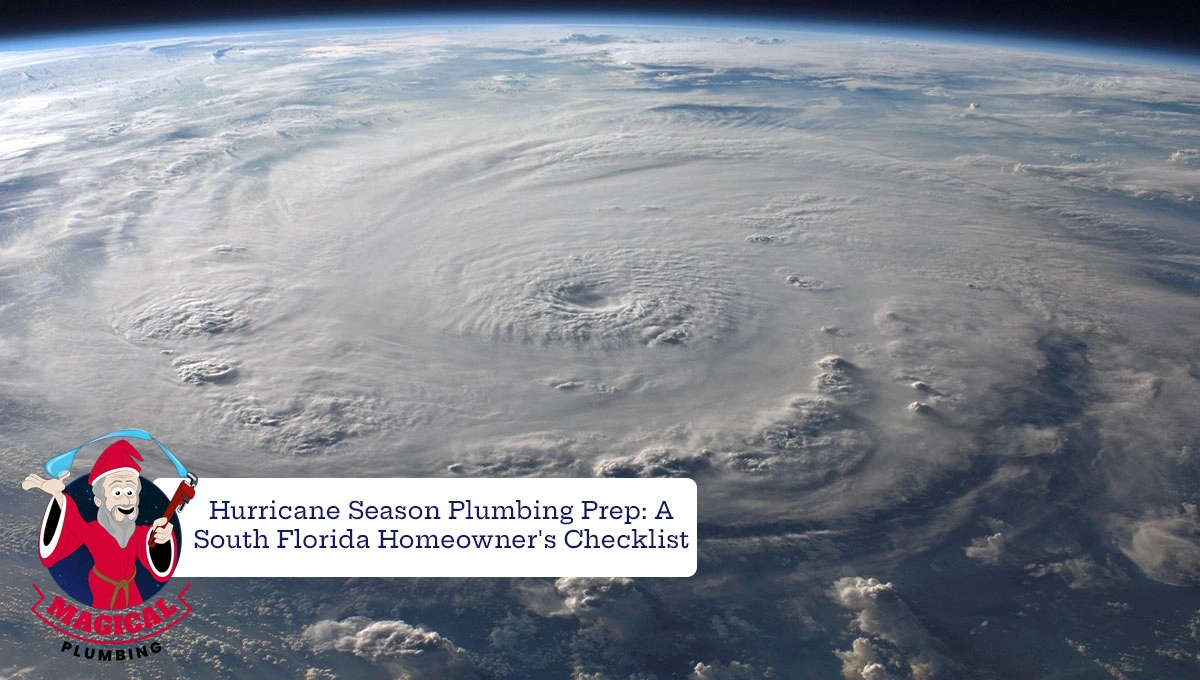
If you live in South Florida, you should know that preparing for hurricane season is a big part of protecting your home each year. As part of hurricane preparation, most homeowners focus their attention on boarding up windows, trimming trees, and stocking emergency supplies. However, your plumbing system deserves just as much attention. Heavy rainfall, flooding, strong winds, and power outages can all put added stress on your home’s pipes, drains, water heater, and sewer system, which astronomically increases the chance of sewage backups, leaks, and costly water damage during and following a storm.
When it comes to your plumbing system, experienced South Florida plumbers focus on four principles:
- Identify weak points early
- Keep drainage paths clear
- Know how to isolate the water supply
- Avoid restarting damaged equipment without an inspection
If you don’t have a hurricane preparedness plumbing system checklist, this is your sign to get one! Keep reading and be ready to take some notes.
Protecting Your Plumbing Before a Hurricane is Critical
The four steps we mentioned above lower the chances of contaminated water, sewage backups, hidden leaks, and avoidable damage to your home. For homeowners in South Florida, preparing early is important because coastal rainfall, saturated soil, and overwhelmed drainage systems can place significant pressure on your plumbing.
It’s important to understand that a hurricane affects several parts of your plumbing system at once. Floodwater can enter damaged pipes, debris could obstruct drains and sewer lines, and shifting soil can crack underground piping. Power outages may stop electric sump pumps, while stormwater can overwhelm septic systems or force wastewater back through low-level drains. Pressure changes can also turn a small leak into a burst pipe. If a water heater, gas appliance, or electrical component becomes submerged, it may be unsafe to operate even when it appears intact.
Bonus Tip: Hurricane season typically runs from June 1st through November 30th. As a general rule of thumb, South Florida plumbers recommend undergoing a pre-season and post-season inspection that can identify leaks, weakened pipes, drainage problems, and faulty shut-off valves before and after heavy rain places additional pressure on your system.
South Florida Plumbers Recommend Long-Term Preparation
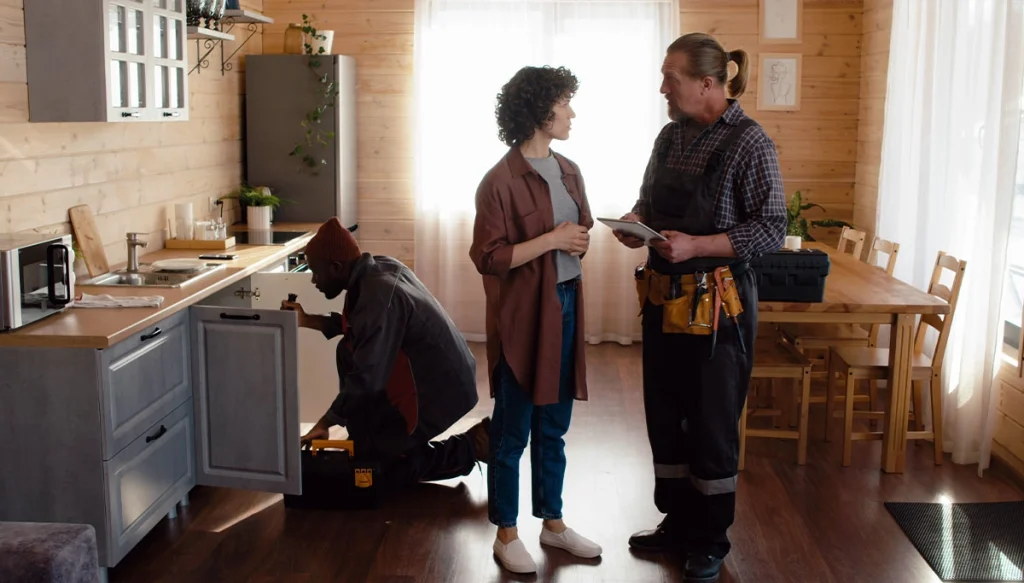
The strongest defense is to always be prepared. Make sure you get regular qualified safety inspections to find aging pipes, weak connections, slow drains, faulty shut-off valves, and early signs of sewer or septic system issues. It also gives you time to schedule repairs before demand increases.
Long-Term Hurricane Plumbing Checklist
- Know where your main water shut-off valve is and ensure every adult knows how to use it.
- Test your valve to confirm it turns freely and closes fully.
- Clear gutters, downspouts, yard drains, and drainage grates.
- Repair slow drains and toilets that do not flush properly.
- Service your septic system and check the drain field.
- Test sump pumps and install a battery backup where flooding is possible.
- Secure your water heater and elevate vulnerable equipment when it’s possible.
- If sewage backup is a possible risk, consider getting a backflow prevention device.
Storms often worsen existing faults rather than creating them from nothing. A small underground crack, partially blocked drain, or corroded valve can become a major failure once the ground is saturated or the municipal system is under pressure.
One Week Before a Storm Is Forecast
When a hurricane watch becomes likely, South Florida plumbers suggest moving from general maintenance to immediate risk reduction. The aim is to improve drainage, confirm that essential equipment is working, and document the condition of the system before the weather gets worse.
One-Week Pre-Hurricane Plumbing Checklist
- Remove leaves, branches and debris from gutters, drains and downspouts.
- Disconnect garden hoses and secure exposed outdoor fixtures.
- Test your sump pump, water alarm and battery backup.
- Inspect visible pipes for dampness, corrosion or active leaks.
- Confirm that the main and under-sink shut-off valves are accessible.
- Check that your water heater is firmly secured.
- Photograph plumbing, appliances and utility areas for insurance records.
- Store bottled water for drinking, cooking and brushing teeth.
- Service any septic tank that is near capacity.
Do not delay repairs to a blocked drain or leaking pipe. Plumbing contractors may already be handling urgent calls as the storm approaches, roads may become unsafe, and replacement parts may be harder to obtain.
Plumbing Preparation for the Final 24-48 Hours Before A Hurricane
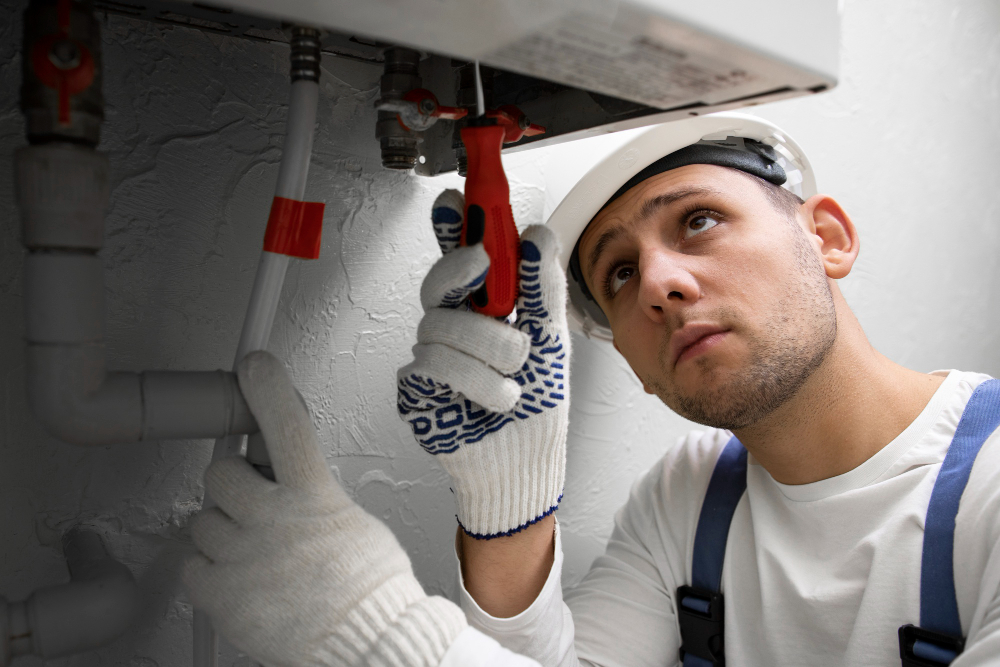
The final preparation window should focus on protecting your water supply and limiting the damage a broken pipe or sewage backup could cause. South Florida plumbers recommend concentrating on isolation, access, and safe shutdown procedures rather than beginning major repairs at this stage.
Final Hurricane Plumbing Checklist
- Fill clean containers and/or bathtubs with water for sanitation and toilet flushing.
- Close fixture valves in areas vulnerable to flooding.
- Plug or cover lower-level drains where appropriate.
- Move stored items away from pipes, water heaters, and floor drains.
- Shut off electricity or gas to vulnerable water-heating equipment when safe.
- Consider closing the main water valve if the household is evacuating.
- Keep the shut-off area clear and easy to reach.
- Follow local evacuation, flood and boil-water guidance.
Stored bathtub water can be useful for flushing toilets and basic cleaning, but it should not automatically be treated as drinking water. Keep a separate supply of bottled water for drinking, preparing food and brushing teeth.
For homes with gas appliances, confirm that detectors are functioning and that household members recognize the warning signs of a leak. Magical Plumbing can advise on gas leak detectors and suitable placement for your property.
Complete a Post-Storm Plumbing Inspection
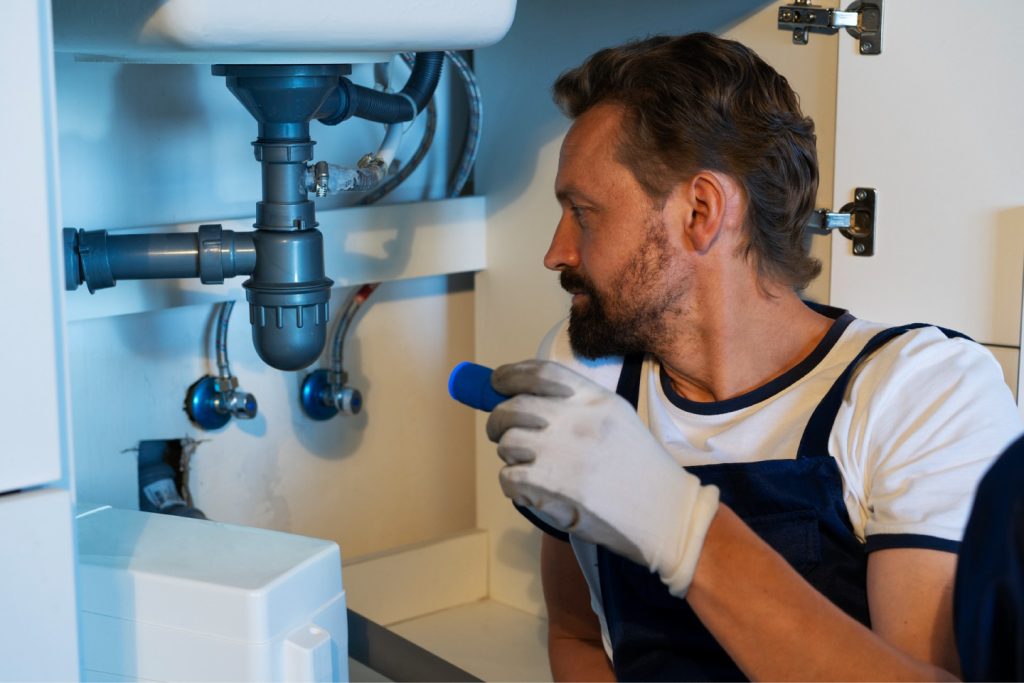
After conditions are declared safe, South Florida plumbers recommend inspecting the system before restoring normal water service. Do not enter flooded areas until electrical, gas and structural hazards have been ruled out. Wear protective clothing and avoid standing water, which may contain sewage, chemicals or sharp debris.
Post-storm Plumbing Checklist
- Inspect visible pipes for cracks, movement and leaks.
- Check toilets, sinks and showers for slow drainage or backups.
- Look for signs that the water heater was submerged or struck.
- Test sump pumps and water alarms.
- Inspect outdoor fixtures and exposed service lines.
- Check septic areas for overflow, odor or unusually wet ground.
- Examine tap water for cloudiness, sediment, unusual taste or smell.
- Watch the water meter while all fixtures are off.
If the main valve was closed, reopen it slowly. Listen for unusual sounds and check each fixture as pressure returns. A meter that continues moving while no water is being used may indicate a hidden leak.
Follow all local boil-water notices. Water used for drinking, cooking, or brushing teeth should be boiled according to official instructions or replaced with bottled water. Never restart a flood-damaged water heater, electrical pump or gas appliance until a qualified professional has inspected it.
Warning Signs You Need a Plumber After A Storm
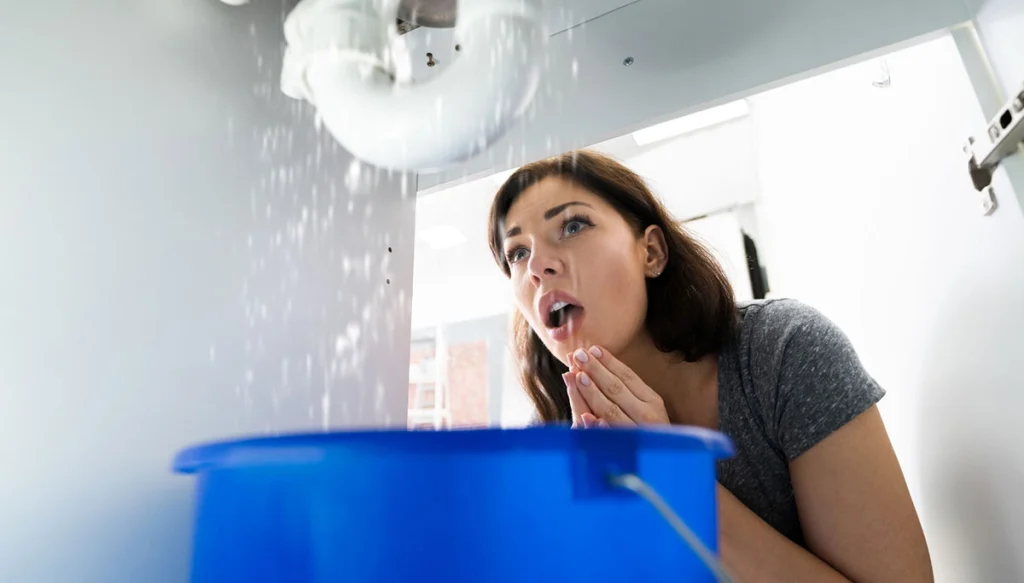
Call a professional if you notice sewage coming through a drain, persistent low water pressure, discolored water, bad odors, a moving water meter with no fixtures running, a burst pipe, standing water near the sump pump or a submerged water heater.
Professional assistance is also needed when:
- The main shut-off valve will not close.
- Underground pipes appear to have shifted.
- Water is leaking behind walls or beneath floors.
- Several drains become slow at the same time.
- Toilets bubble or back up when other fixtures are used.
- The septic area is overflowing or unusually wet.
- You smell gas near the water heater or another appliance.
Leave the property immediately if you suspect a gas leak. Do not operate switches, use electrical devices, or attempt to restart the appliance. For urgent storm-related problems, get emergency plumber service rather than attempting repairs in an unsafe area.
Magical Plumbing Inc: South Florida Plumbers You Can Trust
Hurricane readiness starts with a properly functioning plumbing system. The plumbers at Magical Plumbing provide residential plumbing services, remodeling, and commercial plumbing support throughout Broward and Palm Beach counties. As a family-owned company, Magical Plumbing combines technical expertise with dependable local service that Florida home and business owners know and trust.
Don’t wait for the next hurricane or storm! Prepare your plumbing system today. Call 888-810-PIPE or contact Magical Plumbing online to schedule a plumbing inspection and get your home ready for before, during, and after hurricane season.