
Slab Leak Detection – Warning Signs Hiding Under Your Floors
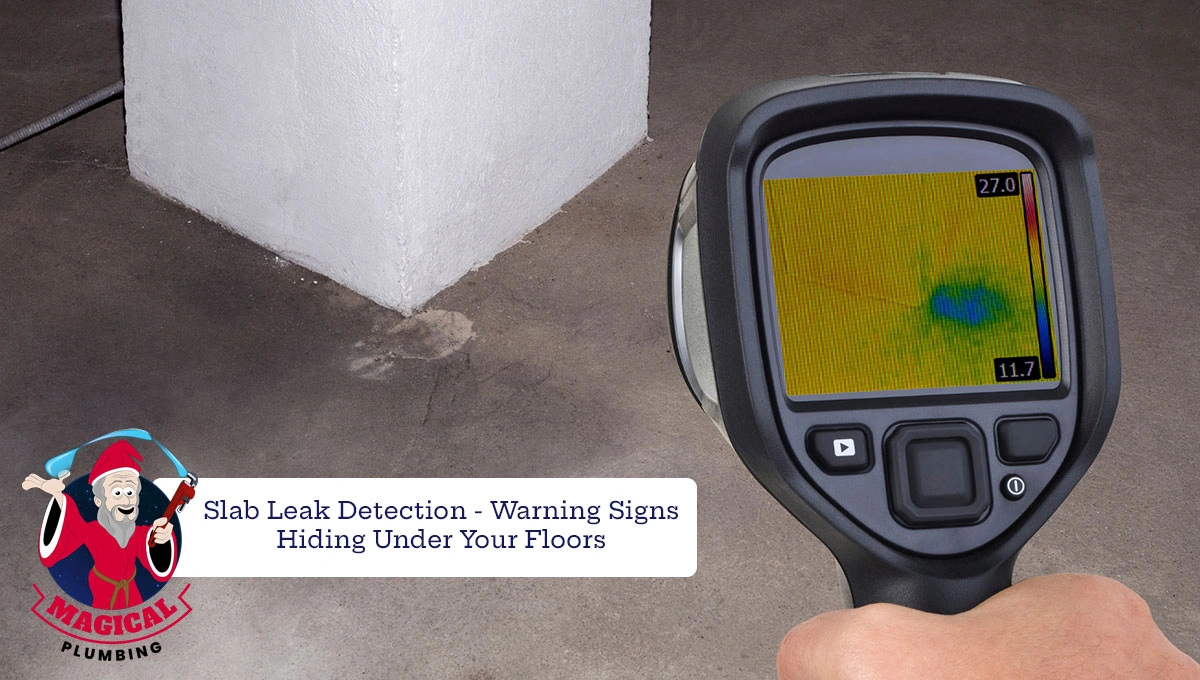
A slab leak is an urgent plumbing emergency as it puts the structural integrity of your home at risk. Left untreated, these leaks can damage foundations, causing them to sink, crack, or shift. A compromised foundation can crack walls and floors, warp door frames, and make windows jam. If that sounds like a situation you’d rather avoid, you need to know the warning signs. If you see any of these happening in your home, call us for expert slab leak detection in Parkland.
Signs Your Home May Have A Slab Leak
It’s a simple fact: the earlier you catch a slab leak, the less damage there’ll be to your home. Slab leaks are sneaky and far less obvious to spot than a leaking faucet or running toilet. But if you know what to look for, you’ll soon pick up on the signs and be able to call in our plumbing team to sort it out for you. Keep an eye out for:
Unexplained Usage Spikes On Your Water Or Power Bill
Most households will use roughly the same volume of water each month unless they’ve bought a new appliance or there’s been a change of season. Slab leaks quietly run around the clock, seeping into the soil below your foundations, appearing as an increase in usage.
While a leak in a cold water pipe will show up on your water bill, a hot water leak will also affect how much power you use. If you suspect a leak, you can avoid a month-end utility bill shock by turning off all the plumbing appliances and watching the usage on your meter. If it still runs, there’s a good chance you have a leak.
Poor Water Pressure
Escaping water can affect the overall water pressure that feeds your sinks, showers, and large appliances. As the underground leak diverts water out of your plumbing pipes, it lowers the water pressure, preventing a strong, steady stream that you need for taking a shower or running the dishwasher. A single struggling outlet indicates a localized drain blockage that needs to be cleared, but if the whole property is experiencing low pressure, you may have a slab leak.
Unusual Damp Spots
Puddles or damp areas on the floor that aren’t caused by ceiling leaks or spills are a huge warning sign of a leak below your foundation. As the water continues seeping out of the damaged pipe, it creates pressure that forces moisture through structural cracks that eventually break the surface inside your home.
If you’re not sure whether it’s a spill or rising water, wipe it up and keep an eye on the area. If the damp spot returns in the same place, it’s a sure sign of a problem below.
Mold / Mildew Odors Or Growth
Smelling musty odors that you just can’t find? It may be growing beneath your feet. Moisture build-up beneath your slab creates the ideal damp, dark environment that causes fungi to thrive and spread. You may notice the odor long before seeing visible signs of the infestation.
If left unchecked, the moisture travels into the floorboards, walls, and carpets. The mold and mildew growth soon follow and show up as dark patches that quickly return after being cleaned off. A mold outbreak in a previously mold-free home is a significant sign of a leak beneath your home.
Hot Or Cold Patches Of Flooring
Pooling water below the floor can transfer heat, or lower the temperature in localized patches on the floor. This is a subtle, but accurate sign of a slab leak that shouldn’t be ignored. If you don’t often walk around with bare feet, you might not pick it up, but keep an eye on your pets. If they suddenly gravitate to sleeping in a particular spot on the floor, there’s likely a hot water leak creating a cozy spot.
Sounds Of Running Water
Depending on the size of the pipe damage, you may notice faint sounds of running water from below when the house is quiet. Distinctly different from the regular plumbing sounds, an under-slab leak can sound like a trickling stream, hissing, or a consistent rush. Check your suspicions by turning off the mains. If the sound stops, it’s time to call a plumber.
Damaged Flooring
A long-running slab leak will eventually show itself underfoot inside your home as damaged flooring. The signs vary depending on what type of flooring you have.
Hardwood Floorboards
Moisture seeps into the wooden floorboards, causing them to expand and warp. Boards buckle and separate, creating an uneven floor surface.
Tiled Floors
Moisture can cause the tile adhesive to lose bond strength and weaken. Over time, the tiles loosen and detach from the floor as the adhesive turns back into a soft paste or powder. You may also notice the grout lines between tiles change color or crumble from being continually damp.
Carpeting
A carpeted floor that is subjected to moisture will quickly grow mold. If it stays damp, over time the fibers will wear down, and the carpet will rot. While synthetic fibers may hold up better than natural fibers in damp conditions, they’re not immune to moisture damage.
Pooled Water Around Your Home
Your home may be your castle, but the beginnings of a moat around your walls mean trouble! A leak below your foundation will run until the soil is saturated. The pressure then forces the water to follow the path of least resistance, which often results in pooling along the outer walls of your home.
Slab Leak Detection In Parkland, FL

Homes in South Florida cities like Parkland, Coral Springs, Boca Raton, Delray Beach, Tamarac, Coconut Creek, and surrounding communities are vulnerable to slab leaks due to the shifting, sandy soil common to this area. We’ve been in the business of locating and repairing slab leaks for over 20 years, and we’re ready to stop your leak before it escalates.
If you’re worried about what might be happening under your floors, contact us online or call us at 954-688-9214 for expert slab leak detection and repair.