
What South Florida Homeowners Should Know About Whole House Water Filtration
It should come as no surprise for anyone living in South Florida that the water that comes out of our taps is “hard.” This is because of local groundwater passing through porous limestone, where high levels of calcium and magnesium are dissolved into the water. While many of us may need more calcium and magnesium in our diet, the heavy and sometimes earthy taste that comes with this type of tap water is often not ideal. For this reason, you’ll find that a lot of homeowners in South Florida have a water filtration system installation linked to their homes. What is the preferred though — a whole-house water filtration system or individual filters on their taps and under-sink systems?
While each one has its pros and cons, a whole-house water filtration system (also known as a point-of-entry or POE system) is the one that is generally considered the superior. There’s a good reason for this, though. While the most obvious may be that you don’t need to install individual filters on each of your taps, there’s more to it.
What Exactly is a Whole-House Water Filtration System
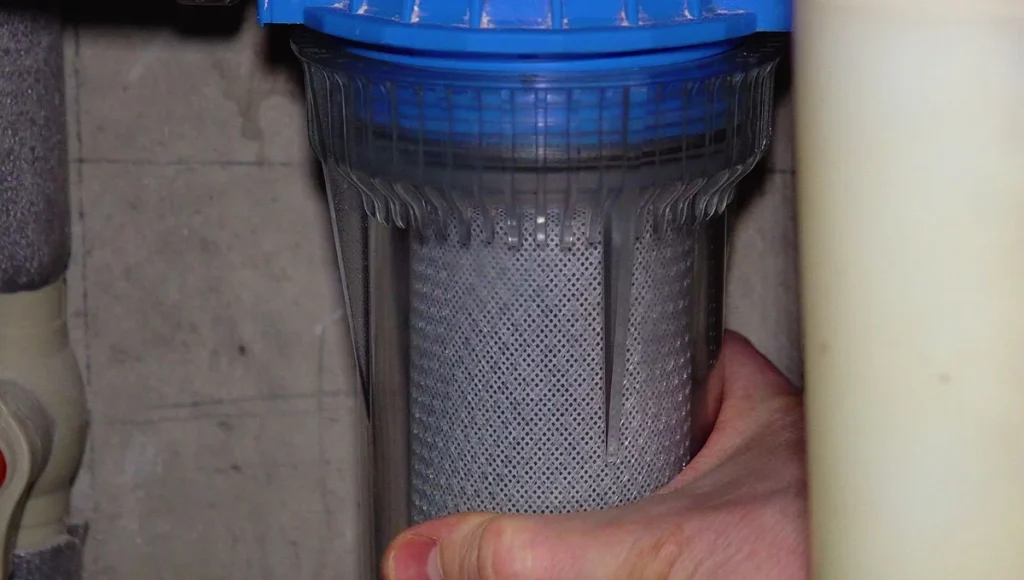
The simplest way to summarize this type of water filtration system is that it’s put in place to intercept each drop of water that enters your home’s plumbing system. This means that there is no need to install filters on individual taps, but rather one system does the entire job. Installed where the main line feeds into your home, all the water coming in is passed through the filtration system, which is then fed into your home’s pipes and taps.
It’s the perfect water filtration system for homeowners who simply want to be able to open up any tap in the home and get fresh, clean water.
How Does a Whole-House Water Filtration System Work?
While you’ll find a variety of brands and systems in the U.S., they each generally work on using either physical or chemical processes to clean your water. This cleaning process involves removing contaminants from the water as it passes through the system, with the system designed for a wide range of substances.
Some of the common contaminants that these systems target include sediment, like sand and dirt, volatile organic compounds (known as VOCs), chlorine, chloramines, pesticides, bacteria, and heavy metals.
It’s More Than Just the Taste
If you’ve downed a glass of earthy, mineral-heavy water, you’ll know what we’re talking about when we refer to taste. The glass of water that leaves you with a bit of an aftertaste, wishing you’d gone for a bottle instead. While taste is important, there’s something far more sinister to consider — the tiny creatures that lurk within each drop.
We’re talking about bacteria and other organic compounds that are no good for you. Then, there are the heavy metals, like lead, mercury, and copper, that have no place being in your body.
Factors to Consider When Choosing A Whole-House Water Filtration System
There’s no one size or one system in this context that suits all homes. It really depends on your individual circumstances. There are a few fundamentals to look out for, though.
Know the water
A starting point with any type of filtration system is to know your water first. The best thing to do is have it tested to determine the overall quality and what contaminants and how much you’re dealing with. For example, if you’re dealing with a lot of bacteria, you might want a system that has a UV component to kill the nasties.
The amount of stages
Some systems have a single stage, while others will have multiple, depending on how much filtration is required. With many multi-stage systems, you’ll find that the first stage focuses on removing large sediment and the larger particles that enter the system. For the second to fourth stages, the system will get rid of the finer sediment, heavy metals, and the likes of chlorine and pesticides. Any stages past that are really in place to give the water a final polish and take out any tiny impurities that might remain.
Cartridge or tank
In a whole-house water filtration system, you’ll generally find two categories — those with cartridges and those with tanks. Each one is designed to clean the water differently, with the cartridges being canisters that house filters. The tank system is filled with materials like carbon or softening resin to clean the water. Each has its pros and cons, and you’ll want to choose a system that suits your specific home and water needs. At Magical Plumbing, we’ll help guide you through choosing the perfect water filtration system for your South Florida home.
Flow rate
The flow rate is measured in gallons per minute, or GPM, and will determine the water pressure in your home’s plumbing system. For large multi-story homes, you’ll want to make sure you have enough pressure to get the water to where it needs to go.
Certification
This one is important for not only the system you choose but also for the professionals who will be installing it. You want to look for NSF International or Water Quality Association accreditation for the system and the relevant local plumbing certificates for the installers.
Whole-House Systems vs. Pitchers and Under-Sink Filters
If you’re still undecided on whether to go with a whole-house, pitcher, or under-sink system, here are a few things to consider:
- Whole-house system: Your entire home will be covered, but it will come at an initial investment. Pitcher or under-sink systems will be more affordable if you only want one or two filters installed, but if you’re looking for a more comprehensive system, you’re better off going with the whole-house option.
- Plumbing protection: A whole-house system will have full protection in place for your home, including things like protecting pipes, fixtures, and appliances. With both pitcher and under-sink systems, this protection will be limited.
- Maintenance: With a pitcher and under-sink system, you’re looking at either frequent or moderate maintenance. With a whole-house system, it’s designed in such a way that it’s low maintenance, most often once a year or even longer.
Enjoy Cleaner, Softer Water Throughout Your Home

Living in South Florida shouldn’t mean settling for harsh chemical odors, cloudy glass, or water with a mineral-infused taste. With a whole-house system, you can make sure that every faucet in your home, whether it’s in the kitchen, the bathroom, or even outside, gives you clean and trusted water.
It’s worth investing in this system if you’re serious about the water quality in your home. While it might seem like a high price upfront, in the long run you’ll save on individual systems or on buying your drinking water.
If you’re looking to solve your water purity or taste issues in your home, reach out to one of our South Florida plumbing experts who will help guide you on the perfect system for your specific needs. Contact us toll-free at (888) 810-PIPE, or if you’re in Broward at (954) 688-9214 or Palm Beach at (561) 807-7739.